








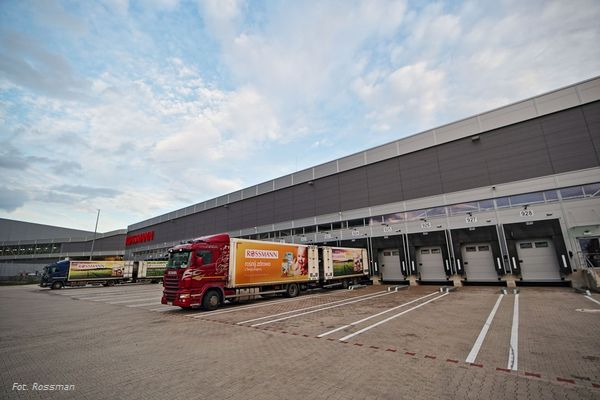
ISS RFID, a technology startup from Gdynia, has completed one of the first stages of implementing a radio-frequency cargo identification system at Rossmann’s warehouses in Łódź. RFID technology supports the automation of the new warehouse, reducing time consumption and minimizing loading errors. The implementation took a year and has streamlined the management of transport assets.
The drugstore chain Rossmann has benefited from a solution based on radio-frequency identification of goods. Remote identification of an item marked with an RFID tag sends status information back to the reader, thereby automating one of the processes in the newest central warehouse in Łódź. Implementing a comprehensive project in such a large facility by a young Polish company is a significant achievement.
– I am pleased that our team handled it so well. The implemented system, based on RFID technology, is already translating into tangible benefits for Rossmann today. We compete with large companies, and what sets us apart is that we create systems tailored to individual needs and integrate them with others already functioning at the client’s site, as exemplified by the project just completed at Rossmann. In every industry, there are areas where RFID allows for cost savings – says Adam Silny, CEO of ISS RFID.
The introduction of the RFID system at Rossmann’s shipping warehouse was carried out to optimize the goods loading process, with maximum automation and control of shipped goods. The chain carries out approximately 1,000 shipments per week, 24 hours a day. It was therefore revolutionary to apply automatic identification to tens of thousands of bins containing goods intended for shipment and to equip them with permanently attached RFID tags. A reader and 4 antennas were installed at each dock. Outside, integrated readers were mounted above the docks, along with 15 readers controlling vehicle movement on the premises, which monitor scales as well as entries and exits.
The movement of containers at the loading docks is detected by the implemented system, which distinguishes the direction of movement in real-time, even when they pass in opposite directions simultaneously. It also provides the ability to control the vehicle loading process and confirm its correctness, i.e., shipping the right goods to the right store. Thanks to the new system, the work of drivers and warehouse staff has been streamlined.
The project implementation was quite complex. It required the cooperation of 4 subcontractors and the integration of 4 systems: Rossmann’s management system, automation control, access control, and RFID.
– The challenge was, with such a large number of docks on one wall, to set up the installation so that the devices would not interfere with each other during full warehouse operation, and that external readers would not negatively affect the operation of the internal installation. A complicated task was also the proper verification and filtering of data to ensure that the correct bins reach the right docks and subsequently the vehicles – summarizes Jakub Kownacki, Technical Director at ISS RFID.
RFID technology works perfectly in logistics and transport. It streamlines warehouse resource management and allows for monitoring and controlling the supply chain, including in real-time. It also increases employee safety by locating people and vehicles within the warehouse or hall. In retail, RFID is used to improve inventory processes and in self-checkout solutions.