









A holistic approach to the internal transport system allows for the identification of problems determining the proper course of logistics processes in a metallurgical enterprise. A comprehensive view of internal transport, as an essential part of the logistics chain, is one of the conditions for effective logistics management in a metallurgical enterprise. It allows for the identification of problems determining the proper course of logistics processes. Developing a generalized model provides a basis for effective management of the decision-making process regarding the components and internal transport of a metallurgical enterprise. The possibilities for improving the transport process in terms of organization and reducing total transport costs have been indicated. A generalized model of internal transport for a metallurgical enterprise has been proposed, which conditions the decision-making process.
Transport systems in a metallurgical enterprise – literature review
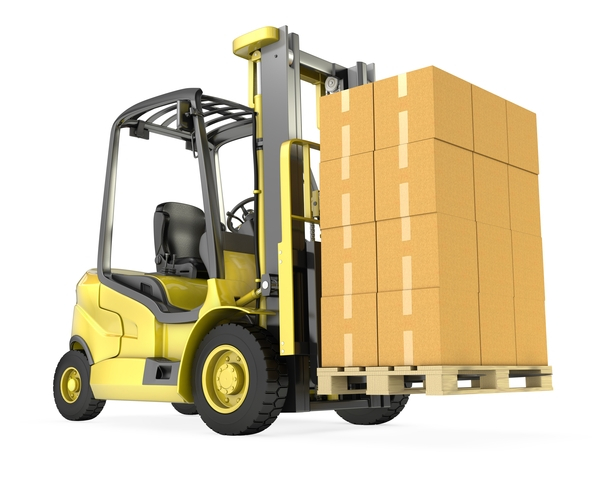
In terms of the types of production processes and technologies used, a metallurgical enterprise can be classified as an apparatus industry, that is, one in which production processes are of a differentiating nature. This means that many final products are manufactured from a relatively small amount of raw materials. The steelworks, where the final product of the steelmaking process is created, is usually a component of a larger metallurgical enterprise. Its production is intended for further processing. This takes place in departments: sheet rolling mills and pipe rolling mills, for which steel constitutes the input. Only at this stage does steel processing and the production of sheets, pipes, and subsequently other steel structures occur. The full production cycle of a metallurgical enterprise is carried out in a logistics system in the following stages: unloading of scrap, storage and classification of scrap in the scrap hall, loading of scrap into the charging bucket using scrap cranes, transport of the steel ladle car from the scrap hall to the furnace hall, transport of the bucket with scrap to the furnace level, loading of the furnace with scrap, furnace operation (melting time approximately 50 minutes), tapping of liquid steel into the ladle, transport of the ladle by a casting crane to the ladle furnace, operation of the ladle furnace, addition of additives to the melt, refining of steel, transport of the ladle with liquid steel to the continuous steel casting station, casting of steel into billets, storage of billets in the warehouse, transport using cranes and roller conveyors. The realization of the production cycle requires efficient flow, which is conditioned by internal transport. The primary task of transport in an enterprise is the movement of goods in a specific space from the place of dispatch to the place of their receipt. The essence of this process is the conscious and purposeful movement of goods by humans with the participation of appropriate equipment. The term transport system is understood as a system that is a structure of elements with specific characteristics, in which the movement of objects is expressed by a flow of traffic passing through the elements of this structure. The transport system should be considered in technical, economic, and organizational aspects. The technical side of the transport system includes a cooperating set of machines, devices, and tracks that overcome space with or without a load, using force. In the economic aspect, it is the pursuit of efficient movement of loads at the lowest possible cost. The organizational aspect of the system includes the pursuit of an optimal combination of the technical and economic sides of transport. Internal (in-plant) transport, which is the subject of the analysis, handles the flow of materials, raw materials, and semi-finished products within the enterprise through handling processes during the loading and unloading of goods in the storage and production phase and moving them between individual stages of the technological process. Transport and loading processes in warehouses are most often performed by forklifts, pallet jacks, conveyors, cranes, etc. The production phase is served by production transport, which is closely related to and subordinate to the technological processes characteristic of a given industrial enterprise. Production transport, depending on the structure of the enterprise, can be divided into intra-departmental and inter-departmental transport.
Intra-departmental transport serves individual workstations and maintains the continuity of material and raw material flows between workstations. In turn, inter-departmental transport provides a connection between departments, storage areas, warehouses, or transshipment points. Raw materials, semi-finished products, and finished goods are transported between them.
The full article is available below in PDF format.
Source: Logistyka Magazine