








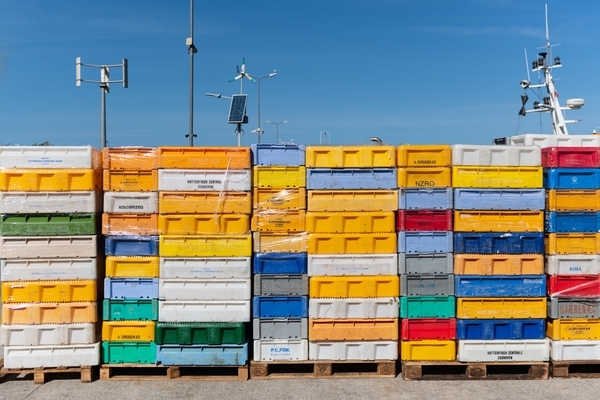
Packaging is produced from materials such as PVC, polypropylene, polystyrene, and polyethylene. It is used by companies in the food, pharmaceutical, and automotive sectors. The resulting bags, bottles, tubes, trays, etc., effectively protect products against various types of damage and external factors.
Plastics for the production of durable packaging
Popular materials used to produce transport plastic packaging in the automotive industry include polypropylene and polystyrene. EPP and EPS are used to create various types of containers and grease- and moisture-resistant returnable packaging, which is frequently used by the automotive industry. Expanded polystyrene is used to create, among other things, packaging with thermal insulation properties, such as trays and boxes for storing delicate parts and electromechanical items.
High- and low-density polyethylene is also used to create packaging for other industries. It is used by companies involved in manufacturing packaging for various chemicals. The latter type of material is also used to produce containers and bags for packaging clothing – its advantage is high resistance to various external factors.
Another material used in many industries is PVC, or polyvinyl chloride. It is used to produce containers for packaging oils, bottles, tubes, and cosmetic items, as well as dairy products. PVC is also used to make film for wrapping butter, meat, fish, and poultry. The pharmaceutical industry uses this material to manufacture packaging for medical instruments and blood storage bags.
What are the advantages of plastic packaging?
Packaging made of plastic has many advantages. First and foremost, it provides excellent protection for the products stored inside and allows them to stay fresh for longer. Furthermore, it also protects them against damage and tampering, making it suitable for transporting delicate electronic devices. Packaging made of PVC, polypropylene, or polystyrene is lightweight, so it does not add extra weight during transport. Plastics are a rewarding material for recycling. For example, PVC can be recovered from old plastic windows and pipes. Polystyrene is obtained from protective elements of electronic equipment or food trays, while polypropylene can be recovered from food packaging and plastic furniture. Companies involved in such recycling use material and feedstock methods. The first method allows for obtaining granulate, while the second yields smaller component parts.