








The Warsaw University of Technology is the first university in Poland to introduce postgraduate studies in “Fleet Management and Mobility”. What is the interest in these studies? What is the scope of the education provided? And what has been the university’s experience since the introduction of this program?
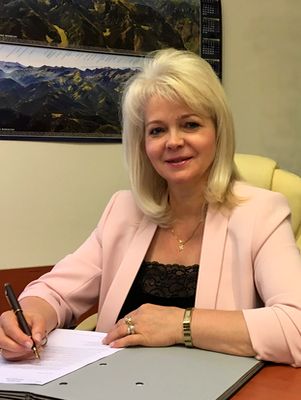 Prof. Marianna Jacyna, PhD, DSc, Eng., Dean of the Faculty of Transport at the Warsaw University of Technology:
The Faculty of Transport at the Warsaw University of Technology has always strived and continues to strive to adapt its offer to market needs. We want the profile of engineer education that we propose to correspond to what the market needs – today and in the foreseeable future. We have been observing changes in the labor market, technological changes, and changes in the approach to fleet management for a long time. Our business partners also pointed out a gap in the education system, which we decided to fill. In the autumn of 2016, the Vice-Dean for Education of the Faculty of Transport at the Warsaw University of Technology, Dariusz Pyza, PhD, DSc, Eng., met with Mr. Daniel Trzaskowski – then a board member of the Polish Vehicle Rental and Leasing Association (PZWLP) and Ryszard Windyga from the Association of Fleet Managers (SKFS). The gentlemen proposed cooperation in the joint launch and conduct of studies on fleet management. On our side, Mariusz Wasiak, PhD, DSc, Eng., took care of the preparations. Thanks to the enormous effort involved in preparing the curriculum and promoting these unique studies, they were established as early as the summer of 2017, and recruitment for the first edition of the studies ended in full success in September 2017.
These are typical postgraduate studies. Recruitment is carried out standardly once a year in the August-September period. So far, three editions have been launched in 2017, 2018, and 2019.
Classes last for two semesters, which end with the defense of a final project. The schedule of meetings has been divided into thirteen Saturday-Sunday sessions – seven in the first semester and six in the second. Each session is an intensive meeting, filled with classes and meetings with practitioners.
The initiators of creating these studies were our partners from the Polish Vehicle Rental and Leasing Association and the Association of Fleet Managers. These organizations bring together companies offering solutions for company vehicle fleets and people managing fleets. Given the specific and concrete requirements regarding model qualifications for fleet managers, it turned out that there were no forms of education on the market that fully prepared one for work in this area. In practice, fleet management is handled by people with various educational backgrounds and professional experience. This makes it difficult to implement the specific requirements of this profession and standardize operations. Of course, there are trainings dedicated to various issues related to fleet management, but until now, there was no comprehensive solution. People managing fleets were forced to search for information on their own in many sources – not necessarily reliable and not in full scope.
Postgraduate studies in “Fleet Management and Mobility” are our answer. Our study program covers all the most important issues regarding the management of company vehicles. One of the key assumptions was that they should be presented by specialists with many years of practical experience in the industry.
The demand for the studies is, from our perspective, sufficient. For three consecutive years, we have managed to launch groups with the maximum planned size of over 30 students. Such group size is appropriate from the point of view of teaching organization. Business representatives from various levels of management are involved in conducting classes. Therefore, launching subsequent editions more often, e.g., every six months, or organizing two groups simultaneously would be a major logistical challenge and a burden for our partners. Currently, we do not notice a decline in interest in our study offer. Importantly, we constantly monitor market changes and introduce program modifications that are a response to new trends.
The studies are intended for everyone interested in the fleet business and mobility. In particular, we direct them to people who are currently involved in managing vehicle fleets or want to manage these vehicles in the future. The first group needs specialized knowledge that will complement and organize their work tools and allow them to better justify the decisions made. The second group of people will significantly shorten their path to the goal of becoming a fleet management specialist.
From the entrepreneurs’ point of view, these studies are an excellent way to equip employees with key competencies, and for the graduates themselves, they provide a strong card in the fleet labor market. Graduates of the studies who are just entering the labor market can benefit greatly by completing the paid, four-month internships offered as part of the studies in companies associated with PZWLP. Thanks to these internships, they can consolidate new knowledge in practice and recover over 50% of the tuition fee.
The curriculum includes lectures, exercises, project classes, and laboratories that develop knowledge and skills. From my point of view, the final project is also important in the education process, in which each student solves a decision-making problem of their choice regarding vehicle fleets under the supervision of a scientist or an experienced specialist.
The study program focuses on key issues of fleet management. These issues concern the acquisition, financing, and budgeting of a vehicle fleet, TCO analysis and vehicle life cycle, fuel economy with elements of ecology, insurance, technology and future solutions for fleets and mobility, vision and strategy in fleet management, fleet policy, legal foundations in vehicle operation, basics of vehicle construction and operation, IT systems and telematics in fleet management, or risk management, contract management, elements of organization and management in business, negotiations and relationship management, and HR elements.
The university, and especially the Faculty of Transport, must develop this type of activity. It is the best way to combine science, knowledge, and experience with the actual demand for qualified specialists, articulated directly by business. Narrow fields of knowledge and skills, such as vehicle fleet management, require specific solutions tailored exactly to the demand. If such studies are prepared in close cooperation between the party expressing the demand and the university, a market product is obtained that gives an advantage to each of the parties – it is a win-win situation.
Postgraduate studies are, in principle, dedicated to people already employed who want to improve or change their qualifications in the labor market. Analyzing the candidates’ documents, we notice that to a large extent, these are people already working in the fleet industry. A small portion of students without experience in the industry gain new business contacts from colleagues in groups, which certainly help them in the labor market. The internship offer for our graduates in companies associated with PZWLP certainly gives them the necessary experience. From feedback, we know that the studies have often contributed to professional promotion and finding permanent work in the fleet industry. I would like to emphasize here the great interest of companies associated with PZWLP in young staff.
“Fleet Management and Mobility” is not the only postgraduate study program we can be particularly proud of. The Faculty of Transport analyzes market needs and expectations on an ongoing basis. We are conducting talks with employers in this regard. Taking this opportunity, I would like to present and recommend to the Readers our new product, new postgraduate studies conducted at the Faculty of Transport of the WUT entitled “Railway System Interoperability”. These studies were created in cooperation with Polish Railway Lines, the Office of Rail Transport, and experts from research, assessment, and notified bodies. Similar to the studies on vehicle fleets, this is a response to the growing demand for railway industry specialists who can meet the challenges associated with adapting the Polish railway network to interoperability requirements. Detailed information about the studies is available on the Faculty of Transport website.