









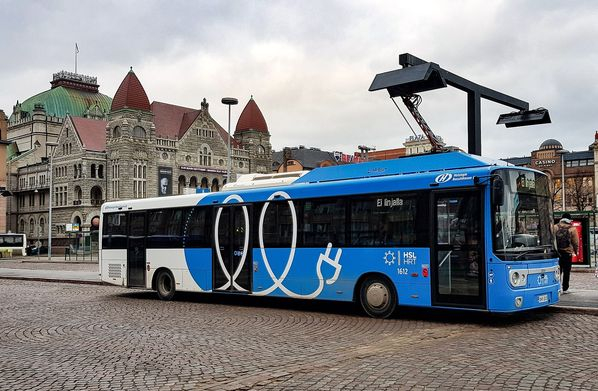
London will soon have over 240 electric buses in operation. Paris recently purchased 1,000 electric vehicles, which will hit the streets of the French capital by 2020. According to Bloomberg forecasts, by 2030, 84% of city buses sold worldwide will be electric.
China leads the way in the number of electric buses owned. There are already over 420,000 such vehicles in the country. For comparison, there are 425,000 worldwide outside of China. There are “only” 2,250 e-buses driving on the streets and roads of Europe. The scale of Chinese expansion and dominance in this sector is therefore clearly visible. And it is expected that the public e-bus fleet in China will grow by another 600,000 by 2025. A report by Bloomberg New Energy Finance shows that global e-bus sales grew by 32% last year.
– You look at the electrification of passenger cars and trucks, and it is buses that are leading this revolution – says David Warren, Director of Sustainable Transportation at New Flyer, a company that manufactures electric buses.
Europe is investing in e-buses more and more willingly, seeing a huge future in the electrification of public transport. This entails the need for an innovative approach to the entire public transport system. New electric bus infrastructure means rethinking the limited space of cities.
Electric buses are more efficient than conventional diesel buses and receive positive reviews from users around the world. These vehicles are quieter and generate significantly less vibration than those with traditional engines. Therefore, they ensure a comfortable journey. That is why we are no longer facing questions about whether to invest in e-buses, but when it will happen. In Poland, the all-Polish Rafako E-bus is already undergoing tests, and it has a chance to revitalize the domestic electric vehicle market.