









In 2015, according to Statistics Poland (GUS) data, the number of buses in Poland adapted for the transport of people with disabilities was 9,703. The situation regarding rolling stock is better in the largest cities, but still leaves much to be desired in counties or municipalities. There, the situation of people using wheelchairs is generally very difficult, and the limitations on the ability to move freely are significant.
What hinders people with disabilities from full participation in social life, on an equal basis with other citizens, is considered a violation of fundamental rights by the United Nations Convention. The accessibility of the public transport system for people with disabilities should be understood as ensuring them, if possible with the help of additional measures, full freedom of movement using public transport, without restrictions related to barriers in infrastructure, rolling stock, or the provision of the transport service itself.
An element of ensuring the accessibility of the transport system is having easily accessible (low-floor) bus rolling stock. There are ready-made regulations for this that must be taken into account in the case of public procurement.
How to reconcile the purchase of new vehicles with the needs of people with disabilities?
Modern bus rolling stock should combine modern solutions that positively affect the environment, ease of operation, as well as general accessibility and comfort of use for every passenger. By 2028, 30% of vehicles used in urban transport are to be zero-emission. This means that a large part of the vehicles moving in our cities will be electric. Considering only buses, 3,000 vehicles must be replaced.
What features are important for building vehicle accessibility for people using wheelchairs?
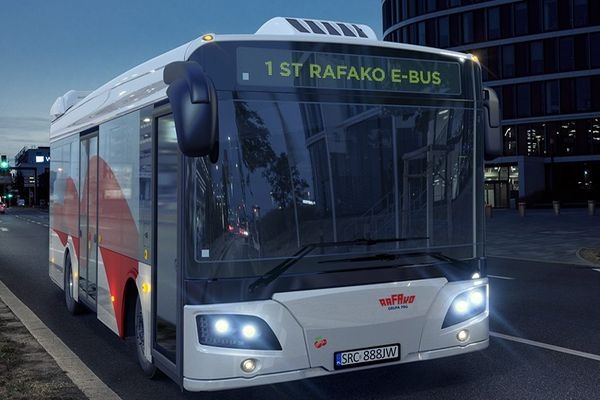
A wide entrance to the vehicle, as well as a special space for a wheelchair. The bus should also have a chassis lowering function, i.e., tilt towards the bus stop. Currently, a completely Polish electric bus adapted for the transport of disabled people is entering the market – the RAFAKO E-BUS. The project therefore has a chance to improve the accessibility of public transport and combine the needs of replacing rolling stock with eco-friendly ones while ensuring travel comfort for people with physical disabilities.