








It looks just like a digital one. It works similarly. It has a few new features, but nothing revolutionary. Why do we call it smart, and why does it stir such emotions among drivers and carriers? We are talking about the so-called smart tachograph, which will soon be the only device recording working time in new vehicles. This is the next, third modification of the digital tacho in recent years. Why these changes, and is everyone ready for them?
This is not the end yet
We are less than two months away from the date of introducing 4.0 tachographs to the market. How do the new devices differ from previous generations, and what functionalities do they hide? Let us recall that since May 2006, carriers have been required to install digital devices recording drivers’ working time in new trucks, which have undergone changes over the years:
• from 2006, 1st generation of digital tachographs;
• from 01.10.2011, changes in the 1st generation of digital tachographs (including the 1-minute rule);
• from 01.10.2012, changes in the 1st generation of digital tachographs (including the second mandatory motion signal);
• from 15.06.2019, 2nd generation of digital tachographs, so-called smart tachographs.
The last of the mentioned devices retains all existing functionalities and will additionally be enriched with extra facilities and extensions, including:
• recording vehicle location (GNSS);
• enabling remote detection of manipulation or improper use (DSRC);
• an interface adapted to intelligent transport systems;
• new security mechanisms.
Entrepreneurs’ questions
– Carriers often ask how they should understand the term “new vehicles” in which, according to EU Regulation No. 165/2014, so-called smart tachographs are to be installed. Well, new trucks are understood as those that will be registered for the first time after June 15 this year. This date is indicated in the vehicle registration certificate in field B. Such cars can only hit the road with a smart tacho on board – notes Mateusz Włoch and advises that those buying a new vehicle should pay attention to the date of first registration. – According to the regulations, in cars whose date of first registration is before the deadline indicated by the EU, it will be necessary to install a smart tachograph, but by 2034. A carrier, and only one who performs international transport, has as many as 15 years for this – the expert reassures. – However, in domestic transport, the date of mandatory tachograph replacement has not been indicated. If no new regulations appear, there is a high probability that as long as vehicles with analog recorders are technically sound, we will continue to encounter good old charts and first-generation digital tachos.
It is worth noting that vehicles in EU countries will be mandatorily equipped with new devices, while for vehicles from outside the Community performing transport under the AETR agreement, smart tachographs will not (according to current regulations) be mandatory equipment. This issue raises many discussions, as such journeys are much more prone to manipulation. And this threatens road safety and leads to unfair competition among carriers.
Cards dealt
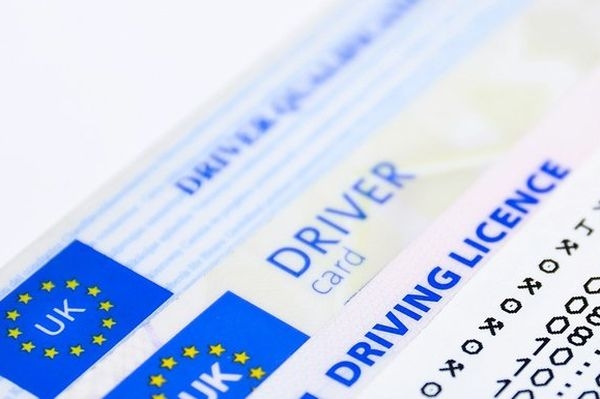
The implementation of smart tachographs also entails the need to have new types of cards: workshop, driver, company, and control cards, which raises concerns for both drivers and carriers.
– For everyone interested – company owners, those working behind the wheel, and inspectors – we have good news. Their cards, issued for previous versions of digital tachographs, were designed to be fully compatible with the new generation of smart devices. Therefore, their replacement is not necessary. Moreover, new cards will also work with older versions of the tacho. This will allow drivers to keep one card that fits both systems, and their replacement will take place within five years, in accordance with the validity period. Only in the case of workshop cards will it be necessary to use one dedicated to the smart tachograph. Calibration of the 2nd generation device will only be possible for those workshops that possess new cards – notes the Inelo expert.
It is precisely in this area that the biggest problems are expected.
– According to cautious estimates by one of the manufacturers of smart tachographs – by June, about 50% of workshops in Germany will have the appropriate equipment needed to calibrate the new type of recorders. However, it is not known whether they will be equipped with the cards that are necessary for the workshop to function. This may cause delays in performing transport with new vehicles – adds Mateusz Włoch.
Will smart tachographs fulfill their role? Will the new functionalities actually facilitate the work of drivers and, above all, effectively prevent manipulation? One thing is certain, it is worth implementing a change that will improve road safety, and the coming months will show how the implementation of smart-type devices will proceed.