








Occupational health and safety management is increasingly recognized as an element of corporate promotion and a way to achieve a number of organizational and financial benefits. Taking systemic actions in the area of OHS contributes to improving the company’s image, especially in the local community. It constitutes an element of the organization’s pro-humanistic attitude, linked to the possibility of reducing its operating costs.
Potentially arising costs are usually associated with the failure to provide safe and hygienic working conditions and the lack of proper supervision over the work processes being carried out. Implementing requirements in a systemic manner allows for minimizing the costs of preventive actions, while simultaneously treating them as an element of effective improvement linked to other areas of the company’s operation. However, ensuring the effectiveness of implementing systemic requirements necessitates the inclusion of all aspects of shaping work safety in the requirements, particularly those related to the nature and specificity of the conducted business. Effective occupational health and safety management is closely linked to the organization’s strategic actions taken to increase its competitiveness.
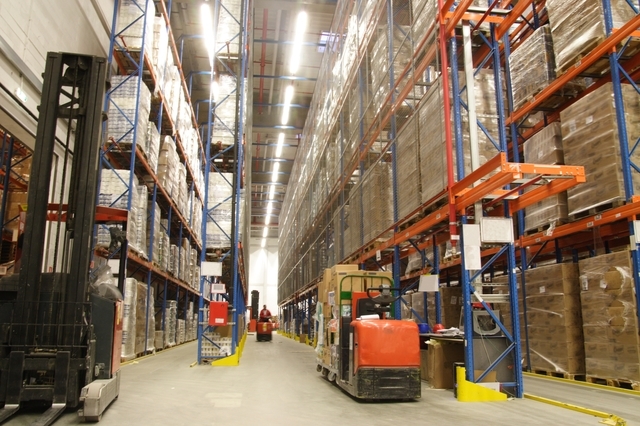
Furthermore, the implementation, maintenance, and improvement of the system enable the organization to adapt to applicable legal regulations and meet social expectations towards the organization. This study addresses those aspects of management whose specificity is related to warehouse operations. In particular, legal requirements enabling the performance of warehouse work and activities were taken into account. It was considered that by referring to the elements of systemic work safety management, it is possible to identify key areas of action that determine the effectiveness of ensuring work safety.
The effectiveness of any process is directly dependent on improvement actions aimed at eliminating emerging hazards. Thus, when taking improvement actions, special emphasis is placed on prevention and ensuring readiness to act in the event of incidents, as well as maintaining appropriate awareness and motivation of employees for safe conduct. Such a concept of taking improvement actions increases work safety, indirectly influencing the possibility of improving the processes being carried out.
The implementation of systemic solutions in an economic organization that allow for shaping working conditions and improving the level of safety contributes to reducing the number of negative consequences of the work performed. With proper conditions ensured, the functioning of an occupational health and safety management system can be treated as one of the organization’s important resources.
The article contains 32,540 characters.
Source: Logistyka Magazine