








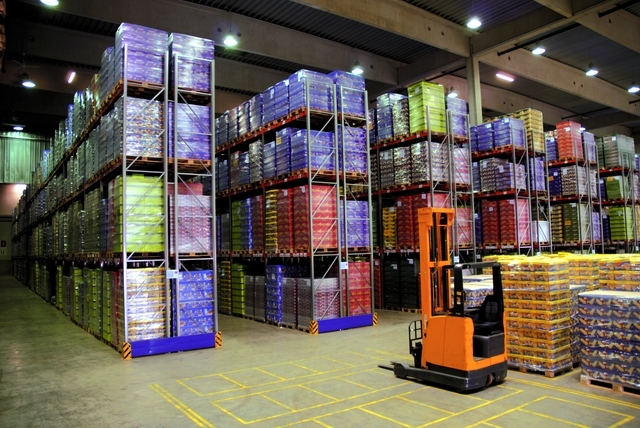
Owners of modern enterprises are well aware that a well-organized logistics system is the key to competing with the best. The optimization of material flows, the information associated with them, and other factors related to the storage of goods in warehouses primarily affect management efficiency. From an economic point of view, an efficiently and harmoniously conducted warehouse policy allows a company primarily to minimize costs, including the costs of maintaining inventory and warehouse infrastructure. Furthermore, it ensures the continuity of supply from the production process stage until the finished product is handed over to the final recipient.
The growth rate of modern warehouse space has slowed down due to lower interest from companies in renting it. The warehouse space market is dependent on technological and organizational changes in warehouse processes. Therefore, a significant issue in current times is the proper planning of warehouse space, the correct design of all elements of the warehouse process, and efficiently conducted warehouse organization.
The article presents issues related to the organization of warehouse work. It presents possibilities for improving warehouse operations and draws attention to the role of proper warehouse management (design).
Organization and possibilities for improving warehouse operations
The technological warehouse process is a set of activities performed during the flow of cargo through the warehouse, starting from the unloading of external transport vehicles, through receiving, storage, picking, issuing, and loading of external transport vehicles. For the warehouse process to be carried out, specific technical and organizational conditions must be ensured, such as, for example, the warehouse space where activities will be performed, the machines and equipment with which activities will be performed, or the personnel. The degree of complexity of the technological warehouse process is influenced by many factors, such as the function of the warehouse in the logistics chain, the characteristics of the stored products, the throughput of the warehouse, or the structure of deliveries or shipments from the warehouse or the system of organizing warehouse work.
The organization of warehouse management constitutes the entirety of procedures and undertakings taken, applied, and interacting with each other in the management of warehouses and organizational structures aimed at coordinating all warehouse functions to achieve the greatest effect with the least expenditure of live and objectified labor. The ultimate goal of warehouse management is to ensure the rational storage of material goods. The rationalization of the organization of warehouse management is intended to allow, among other things, for the ordering of the structure, the best possible performance of tasks, and the reduction of the effort of the employed personnel.
When organizing the warehouse process, one should:
– establish the technical characteristics and batch sizes of products intended for storage,
– determine the required delivery deadlines and the possibilities of adhering to the “Just in Time” principle,
– determine the places of material delivery and their storage time,
– develop a system for creating and flowing information appropriate to the tasks, as well as the type of documentation and records registering the flow of material goods,
– develop a technology for the flow of goods, i.e., determine the form of load units and equipment for their creation (packaging, pallets, containers, bins), as well as auxiliary equipment (e.g., loading bridges, scales),
– develop a preliminary design of the logistics system and a cost estimate for its implementation after agreeing it with representatives of all links in the logistics chain.
The structure of the organization of warehouse management is the foundation on which the management system is based. The main factors influencing the structure of the organization of warehouse management include the qualifications of the personnel, interpersonal relationships resulting from the general organization of the enterprise, and the personality of the manager. The structure of the organization of warehouse management can be solved in different ways in individual enterprises. The most typical organizational schemes in manufacturing enterprises include those in which the work of material warehouses is supervised directly by supply or warehouse management departments, and the work of finished goods warehouses by sales, distribution, or commercial departments with the ongoing cooperation of the logistics unit.
The article contains 16,550 characters.
Source: Logistyka Magazine