









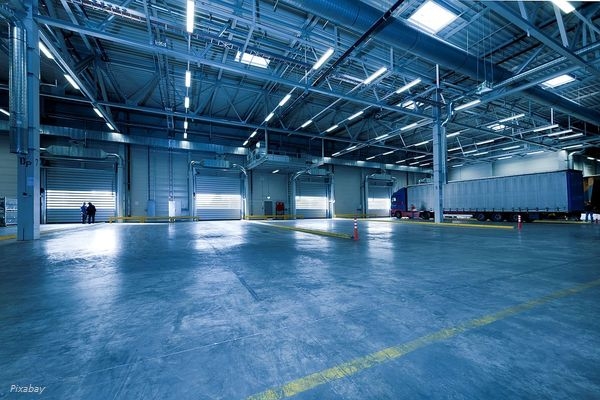
What is and will be the role of logistics real estate in supply chains? Prologis Research took a closer look at the topic in its latest report, “Unlocking Supply Chain Value.”
The first report in the three-part series observed that the growth of e-commerce is bringing supply chains closer to consumers, increasing demand for more expensive logistics space.
The recently published second report, titled “Unlocking Supply Chain Value,” examines supply chain economics and its impact on the real estate market, creating a new model for evaluating the trade-offs companies must make when building supply chains. These trade-offs optimize costs and help meet growing service level requirements.
Key findings indicate that while change is the only constant, the new supply chain economics model helps demonstrate the most durable industry trends that may prove helpful in the context of future-proof supply chains, logistics operations, and investments. These trends are:
• Logistics real estate rent represents the smallest cost in the entire supply chain, yet it creates immense value in terms of significantly improving service levels or streamlining cost management;
• Changed supply chain structures increase the demand for labor and create significant employment opportunities in local communities;
• E-commerce has pioneered the concept of synchronized commerce, where the select/pay/deliver portion of the supply chain is driven by retailers rather than consumers;
• Supply chains now extend to the consumer’s doorstep, providing them with convenience and choice;
• Logistics real estate is essential for executing new e-fulfillment strategies, such as kiosks or click-and-collect methods.
Prologis Research partnered with The Sequoia Partnership, a research group specializing in supply chain analysis, to accurately estimate the total cost of the supply chain and its individual components. The model also provides a detailed analysis of the growing impact of e-commerce.
What might the future hold?
The final Prologis report in this series will focus on future trends, including how technical innovations and economic cycles lead to changes in supply chain costs, particularly regarding transportation, labor, and equipment. It will examine the impact of innovations such as alternative fuels, robotics and automation, big data, and predictive analytics on the shape of future supply chains and, potentially, the most desirable real estate.