








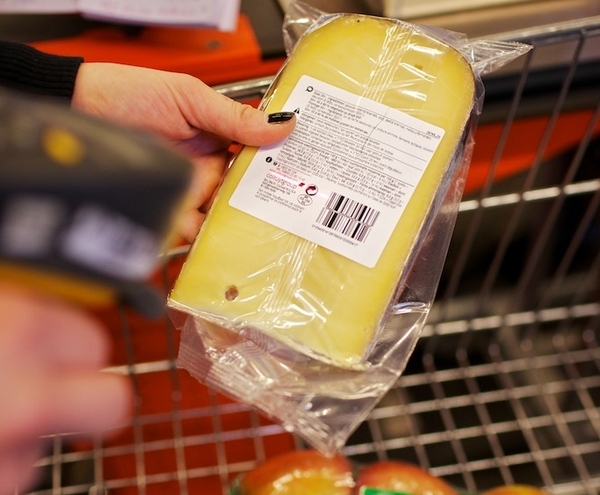
Barcodes are now an everyday occurrence, a part of a well-known technology that for some is already a bit outdated, being over 40 years old. Their invention not only revolutionized the way retail trade is conducted and generated billions of dollars in profits, but also sparked a need for cooperation and consensus-building among former competitors. Today, we are witnessing another revolution caused by the digitalization of trade and the massive increase in the importance of the end consumer. Consumers now have incomparably greater purchasing power and expect an easy and seamless shopping experience, regardless of how they shop: in-store, over the phone, or online.
These challenges mean that the entire retail sector and the supply chains that supply it, which are currently being restructured, need stable foundations in the form of standards upon which they can base much deeper cooperation than before. These foundations are now and will continue to be provided by the GS1 system, managed by an international organization represented in Poland by GS1 Poland. GS1 standards have always supported effective supply chain cooperation from the very moment the first barcode was scanned.
The barcode, or more precisely the GTIN (Global Trade Item Number) encoded within it, also known as the EAN number, is the only code in the world that provides unique product identification, regardless of where the product was manufactured. This code, which appears on most unit and collective packaging, also makes it easy to identify products on the Internet. Since 2012, the GTIN has been used by the algorithms of the world’s most frequently used search engine, GOOGLE. In its own research, Google noted that the use of GTINs allows for better matching of product data with user queries, and products marked with a GTIN record up to 40% more views. Currently, the GTIN is increasingly required by large online platforms: Amazon, Ebay, Alibaba, and others.
And this is of great importance, because the Internet is increasingly influencing traditional sales as well. Data from the 7 largest EU countries show that information shared online already influenced more than 1/3 of the value of total retail sales, and in 2021 this impact affected half of the sales made in the traditional channel, i.e., the so-called off-line. It is therefore all the more important to provide complete and reliable information for the consumer, which is regularly updated and easily found. A good online description translates into a higher number of visitors and potentially higher sales.
As a result of GS1’s cooperation with all the largest search engines in the world (including BING, Yahoo, Yandex), a new standard, GS1 SmartSearch, was created. It includes a set of standard tags and guidelines for describing data on websites so that content marked in this way is more easily found by search engines. Electronic repositories are needed to collect complete and reliable product information. The GS1 organization, together with its technology partners, actively supports the implementation of GDSN technology – the Global Data Synchronization Network. This technology involves using certified electronic catalogs to transmit all data related to a product: both B2B and B2C data. The use of the GDSN catalog in modern trade allows, among other things, for the elimination of errors in product descriptions and the resulting costs, as well as faster introduction of new products to the market. In 2016, Carrefour Polska became the first retail chain in Poland to begin implementing GDSN with its suppliers to exchange product information in a completely automatic and electronic manner.
Properly developed standards are more important today than ever before, also in logistics. They simplify and help automate communication in the supply chain. One such standard is the GS1 logistics label, which is increasingly used in communication between supplier and recipient. On the label, the supplier places information about the contents of the logistics unit and data needed for transport, both in a human-readable form and encoded with a GS1 barcode. This information can be used by anyone involved in the delivery of goods. The label facilitates the introduction of scanning for automatic data reading and helps reduce the time of warehouse operations by up to 50%. It contributes to the elimination of errors during data entry during delivery and enables faster training of new employees. Suppliers who have marked pallets with the GS1 logistics label have found that its use has helped reduce the downtime of delivery vehicles during unloading. Furthermore, they realized that they could use the same labels both in cooperation with the chain and in their own warehouse processes: receiving from production, storage, picking, and dispatching.
GS1 barcodes and other GS1 standards are currently the most frequently and widely used standards in retail and logistics. They are used by approximately 2 million companies worldwide, including over 20,000 in Poland. For years, GS1 has been supporting thousands of retailers and their suppliers in collecting and sharing accurate information about their products – from manufacturer to consumer. Access to this data, in turn, enables improvements in supply chain operations, improves inventory management, and increases product availability on the shelf, whether it is a virtual or physical shelf. By ensuring unique traceability and seamless exchange of products and information, GS1 standards create the foundations that enable companies to effectively meet the ever-increasing expectations of consumers.