








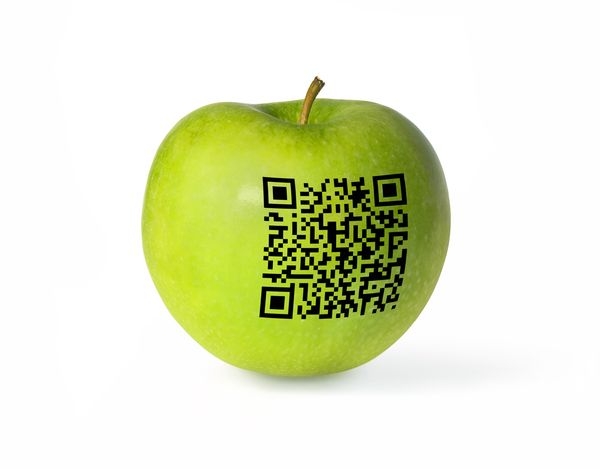
Fruit production in the European Union between 2002 and 2012 hovered around the level of 35 million tons. The volume of fruit production in Poland accounted for over 50% of the total production of the “new union” countries (EU-12). The largest share (70%) of fruit produced in Poland consists of apples, the production of which amounted to 2,493 thousand tons in 2011. Among other fruit species, cherries, strawberries, and currants are of the greatest importance, with harvests accounting for approximately 4-6% of total fruit production each.
Taking into account vegetable production, it fell from 70 million tons to 60 million tons per year across the entire European Union between 2004 and 2012. The largest downward trend was noticeable in the EU-15 countries, which could have been caused by a reduction in cultivation areas. In the EU-12 countries, the volume of vegetable harvests remained at a constant level of approximately 12 million tons per year. In Poland, during the same period, the production volume was approximately 5.5 million tons per year.
This accounted for approximately 8.5% of total EU production and almost 50% of the production of the new member states. The above data confirm that Poland is one of the major suppliers of fruits and vegetables among the countries admitted to the European Union after 2004. The specificity of logistics in the fruit and vegetable processing industry results primarily from the perishability of raw materials. Their susceptibility to damage, risk of loss, sensitivity, low transportability, and storage difficulties mean that a special supply chain must be designed for the proper conduct of processing processes for these products, as well as for logistics operations. Research confirms that for consumers of fruits and vegetables, freshness and cleanliness are the most important factors, while uniform shape or size of fruits and vegetables are less important; therefore, companies dealing in the trade of these products attach particular importance to the quality of the products delivered. Quality attributes of the supplied raw materials are also important for processing companies, as this translates directly into the quality of the processed products. All this argues for shortening product transport routes in food industry logistics, limiting handling operations for food products, storing food under special conditions, and taking special care to maintain the cleanliness of equipment and rooms where food is processed and stored. The purpose of this article is to define solutions for transport in the fruit and vegetable processing industry.
The article contains 18,860 characters.
Source: Logistyka Magazine