








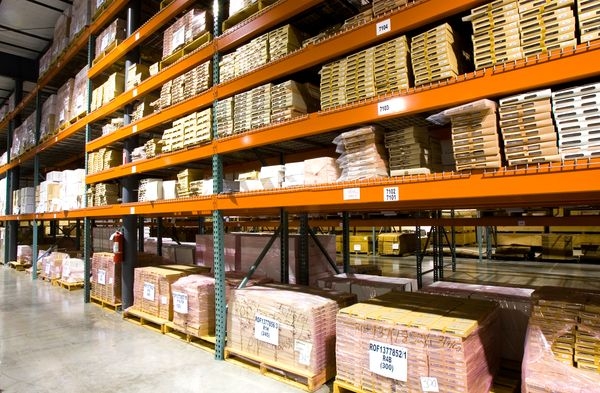
The GS1 logistics label is one of the fundamental tools used for marking and monitoring the flow of cargo – transport units – through which companies (manufacturer, wholesaler, retailer, distributor, carrier, logistics operator) exchange information in a standardized, i.e., globally unambiguous and understandable way.
The label standard was developed by the GS1 organization in cooperation with leading manufacturers, retailers, and logistics operators. This guarantees its universality, openness to many industries, and a wide range of applications. Importantly, its use does not require advanced IT or technological tools and potentially brings a number of benefits to every company, regardless of its role in the supply chain.
The recipient, most often a retail chain, as one of the last links in the supply chain, can count primarily on the following thanks to the standard logistics label:
– instant identification and automatic registration of delivered logistics units and their reconciliation with the order – reducing delivery time by up to 80%,
– automatic reading of data regarding the content of the logistics unit: quantity of goods, expiration date, production batch designation, sender and recipient data, order number, and other information important in the supply chain – reducing administrative work by approximately 15 – 35 minutes per delivery,
– elimination of errors arising from visual reading and manual registration of pallet composition,
– increased supplier accountability for the correctness of the logistics unit marking and declared content,
– reduction of delivery acceptance time.
Summarizing the benefits achieved by retail chains and individual entities in the supply chain, it should be emphasized that the logistics label additionally helps to meet legal requirements related to the obligation to track the movement and origin of goods, i.e., traceability, which companies mainly in the food, pharmaceutical, or cosmetic industries encounter.