








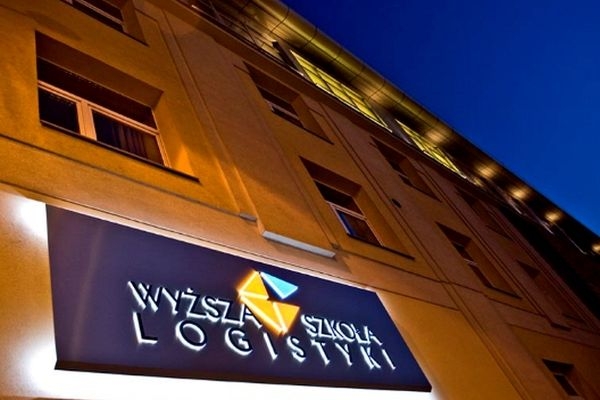
The Ministry of Science and Higher Education has prepared a report summarizing the career paths of graduates from various universities. The College of Logistics ranked among the top higher education institutions in Poznań. Graduates of second-cycle studies need less than a month to find a job.
This is the first time the Ministry of Science and Higher Education has prepared such a summary. The study examined the career paths of graduates from the class of 2014. The College of Logistics performed very well in all analyzed categories. This is the best proof that the university’s curriculum is tailored to the requirements of the labor market and that the demand for qualified logistics specialists is very high.
According to the MNiSW report, individuals holding a diploma from the College of Logistics have no trouble finding employment. Graduates of first-cycle studies at WSL need less than just 1.5 months to find a job. Master’s degree holders fare even better. Those who have completed second-cycle studies find work within less than a month of receiving their diploma.
Graduates of the College of Logistics can also count on attractive salaries. WSL master’s degree graduates outperform their competition from other Poznań universities, both private and public, in this regard. The average salary for WSL master’s graduates during the first year after graduation is approximately 3,200 PLN gross. Meanwhile, the average monthly salary for those employed under an employment contract is over 3,400 PLN gross.
– The recipe for the graduates’ success is simple – teach what the market expects and treat the student as a partner in the process of acquiring qualifications. WSL bases its educational programs on ongoing cooperation with the largest logistics companies in Poland. We continuously adapt our programs to their requirements, and thanks to this, our graduates find jobs efficiently. The ratio of employees with WSL diplomas is very high among logistics companies; for example, at Kuehne + Nagel, nearly 30% of employees with higher education hired nationwide are graduates of the College of Logistics – said Wojciech Zalewski, Vice-Chancellor of the university.
The report by the Ministry of Science and Higher Education was prepared based on the results of studies on the career paths of higher education graduates who completed their studies in 2014. The summary was developed based on data from the Social Insurance Institution (ZUS) and the POL-on system, which is the higher education information system supporting the work of the MNiSW. Research into the professional paths of university graduates is currently considered a priority in improving the quality of education and adapting educational offerings to the requirements of the modern labor market. Using administrative data for this purpose is a proven practice successfully applied in many European countries, such as Spain and Austria.