









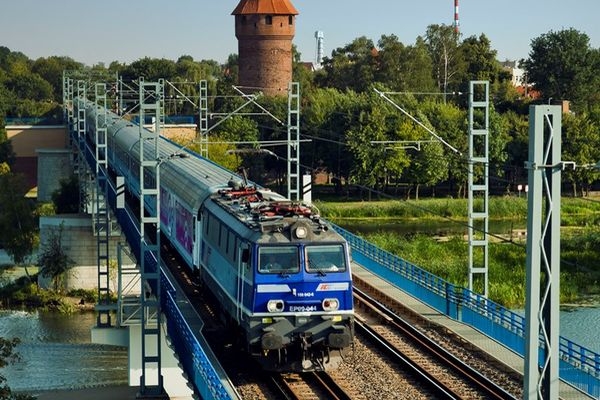
During the first four months of 2016, PKP Intercity sent over 140% more carriages for repairs than in the same period of the previous year. By the end of December, the carrier plans to repair or modernize over 570 carriages and approximately 100 locomotives.
From January to April of this year, PKP Intercity sent 173 carriages for repairs (P4*) and modernization (P5*). This represents an increase of over 140% compared to the same period last year. In total, by the end of December, the carrier intends to spend PLN 311 million on the repair and modernization of over 570 carriages (PLN 247 million) and on repair activities for approximately 100 locomotives (PLN 64 million). In the case of locomotives, this will be over 50% more repairs than in 2015.
– We are preparing further investment projects. Over the next few years, in addition to ongoing repairs and modernizations, we plan to carry out significant rolling stock investments, for which we want to allocate PLN 1.8 billion – says Beata Czemerajda, spokesperson for PKP Intercity.
Carriage repairs are carried out by REMTRAK, a subsidiary of PKP Intercity, and by external entities selected through tenders. In recent years, PKP Intercity has invested over PLN 5.5 billion in the purchase of new rolling stock and the modernization of old equipment. Thanks to this, passengers can already travel comfortably on board Pendolino, Flirt3, and PesaDART trains, as well as modernized carriages.
*Five levels of railway vehicle maintenance
Railway vehicles in Poland are serviced at five levels, from P1 to P5. Inspections and repairs at levels P1-P3 are carried out on a daily basis or as parts wear out. P4-type repairs take place every 3-5 years. At that time, the technical condition of the vehicle is thoroughly checked, and planned replacement of components and assemblies takes place. Meanwhile, the highest level of repairs is performed every 12-20 years and is aimed at modernizing the vehicle. Practically all components and bodies are replaced, and the standard is upgraded, for example, by introducing electrical sockets or closed-circuit toilets.