









The goal of European transport policy is to ensure a transport system that strengthens competitiveness and offers high-quality mobility services while using resources efficiently.
In practice, this means that the transport sector must consume less energy in a more environmentally friendly way, make better use of infrastructure, and reduce its negative impact on the environment and natural resources. New transport patterns must be created, allowing for the transport of more goods using the most efficient means or combinations of such means. The development of information technologies enabling simpler and more reliable transport is necessary.
The Baltic Container Terminal, together with the Institute of Logistics and Warehousing, is implementing the European research project LogiCon, co-financed by the European Commission, which aims to increase the efficiency of logistics processes related to intermodal container transport by building an information exchange platform that allows for the management of logistics processes.
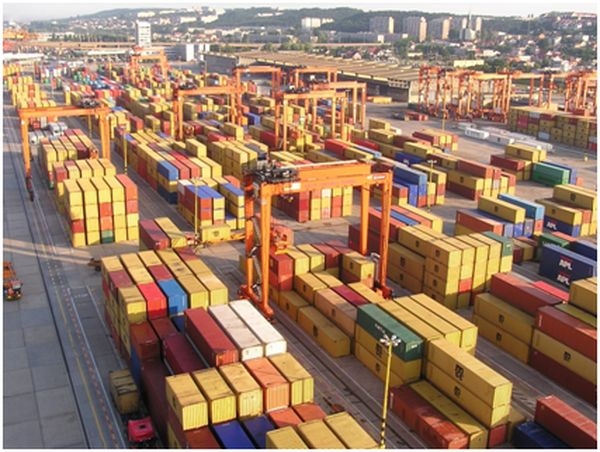
BCT is a specialized container terminal with a current handling capacity of 750,000 TEU per year, offering intermodal connections. It currently handles 7 pairs of trains per day, cooperates with 15 intermodal operators, and delivers goods by rail to 20 inland locations. The platform is intended to serve communication in intermodal transport. Thanks to the availability of reliable information in real-time, it is possible to optimally utilize the available rail infrastructure and sea terminal infrastructure, human resources, and equipment during the execution of logistics processes related to the loading, unloading, and transport of containers.
The developed solution is intended to improve communication between logistics service providers, including freight forwarders, intermodal operators, shunting carriers, and the sea container terminal. Currently, information exchange takes place through the paper exchange of documents, a time-consuming and costly method that does not allow for further processing of information and allows for the occurrence of errors. The solution is a communication platform called T-Scale INTERMODAL, ensuring orderly and systematized information exchange, offering easy access to information and clear rules for entering and presenting data. Among the basic benefits offered by the solution for all participants, one can mention, among others, the reduction of costs and time associated with the organization and execution of intermodal transport, easy and fast online access to current and archival information, and clear and standardized rules of cooperation between partners. Furthermore, the platform allows for the electronization of information exchange between participants in the intermodal transport process and contributes to increasing the competitiveness of intermodal transport by improving the quality of services provided.
The platform allows for easy cooperation of all participants in the intermodal transport chain and also provides direct benefits to intermodal operators. T-Scale INTERMODAL gives them the ability to precisely plan and control deliveries thanks to online access to information on available slot times, the ability to offer reliable delivery dates to their customers, and better utilization of transport resources, including rolling stock. The data exchange process between the intermodal operator, the shunting carrier, and the container terminal is automated and simplified (EDI). There is constant online access to the reporting module and information on the work of shunting carriers.
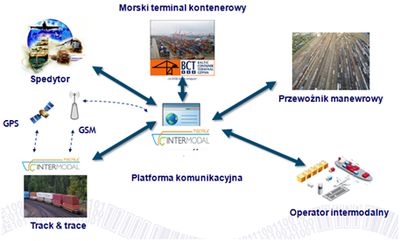
The solution also provides direct benefits for rail carriers, including the ability to better control and coordinate transport work, increased planning efficiency leading to optimal resource utilization, and the ability to monitor transport online through the use of a track & trace system.
The platform is a universal solution that can be used in intermodal transport by other terminals. It is an integrated set of data, consistent with the direction of development of a unified customer service system in Polish ports. A system called the Port Community System (PCS), which is a standard currently in force in all modern ports. The lack of a similar system significantly limits the competitiveness of Polish ports on the international market. All participants in port trade, including carriers delivering goods to and from ports, should be interested in standardizing customer service in sea-land transport and improving the quality of services.
Details regarding the LogiCon project: http://www.logicon-project.eu