








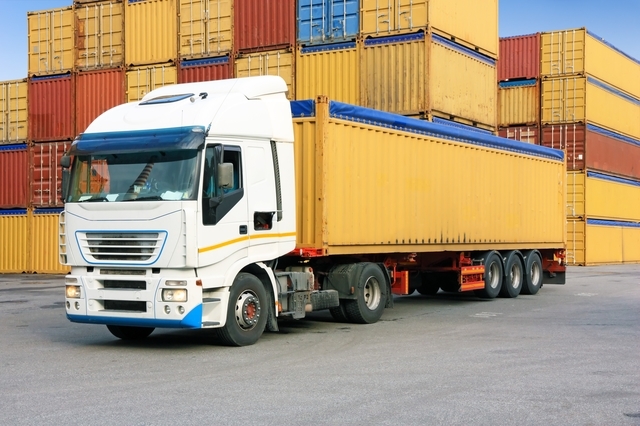
The subject of the research is an analysis of the development of intermodal transport in Poland over the last three years. Its goal is to provide a multifaceted assessment of the functioning and development of this form of transport in a strictly transport dimension, while simultaneously indicating the consequences of this development for the structure of the domestic and international rail freight market, as well as for Polish seaports, and mainly for the operators of container terminals located there.
The dynamics of intermodal transport development in Poland were characterized against the background of trends occurring in EU countries, while identifying the basic barriers in this area, primarily in the field of point infrastructure, i.e., intermodal terminals. The measures that should be taken in this area of freight transport to meet the current challenges posed by the dynamic development of intermodal transport in Poland and the EU, which forms the basis for the development of logistics chains and supply networks, were also defined. Initiatives and actions of global container operators – both shipping and port-based – that they have undertaken or should undertake in the near future in the country were also presented, so that the effects resulting from the development of intermodal transport in Poland could be shared by them to a greater extent than before, and so that Polish seaports could become beneficiaries of this development on an equal footing with the ports of the North Sea basin.
The intermodal transport market in Poland – its structure and dynamics
Intermodal transport – due to its pro-ecological nature and support for the co-modality of transport systems – is a form of transport strongly promoted in the EU. A manifestation of this was the establishment of the special PACT support program as early as 1997 for operators and carriers developing combined transport, followed by the Marco Polo I and II programs. The European Commission (EC) estimates that €1 spent from the MP II program on newly launched intermodal projects generates an average effect of €6 (reduction of external costs plus indirect benefits). For this reason, the EC also allows member states to provide financial assistance for projects supporting the development of intermodal transport, and many countries are launching such public aid funds for carriers and operators operating in this transport segment. As a result, the share of intermodal transport in total rail transport is much higher there than in countries that do not use this form of aid. Poland, unfortunately, belongs to the latter group of countries, and the consequences of this are visible both in the material and technical sphere of intermodal transport and in the combined transport market. Poland, as a country with one of the largest rail markets in Europe, which accounts for over 1/8 of the EU rail market in terms of transport work performed, while simultaneously ranking second in terms of transport volume and the number of licensed rail carriers, ranks only eighth in the EU intermodal transport market (according to the volume of transport work). Poland’s share in the EU intermodal transport market in units of transport work does not exceed 2.9%. (…)
The article contains 34022 characters.
Source: Logistyka Magazine 5/2012