








In this article, the queuing method is used to analyze and evaluate the load stream burden of a logistics center. The research is conducted to determine the optimal size and equipment for newly designed logistics facilities. The WinQsb computer package was used to carry out the analysis. In the literature on the subject, one can find various definitions and classifications of logistics centers.
Most often, a logistics center is defined as an independent business entity providing logistics services (transport, transshipment, warehousing, distribution, and order picking), thereby fulfilling supply and distribution functions in a specific area. According to the European Logistics Centers Association (Europlatforms), a logistics center is “a designated area within which all activities related to the transport and distribution of goods, both for national and international transit, are carried out by various operators. These operators may own the buildings, offices, warehouses, storage yards, parking lots, equipment, etc., built and located within the center, or use them on a lease or rental basis.”
Therefore, when shaping and dimensioning a logistics center, it is necessary to identify the essential infrastructure elements required to carry out the established logistics task. Furthermore, it is necessary to identify the connections occurring between the elements of the LC, which determines the realization of the logistics task.
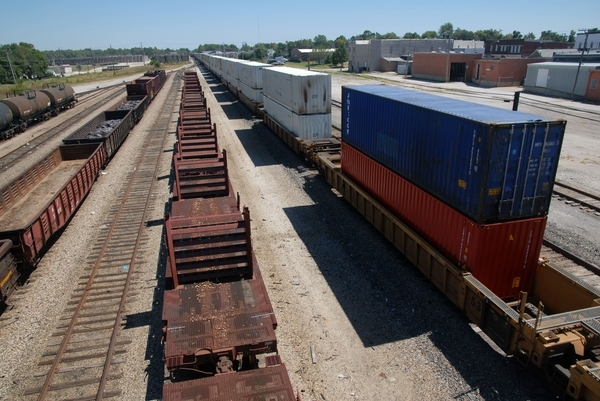
Taking the above into account, a logistics center should have: a designated area, infrastructure (roads, yards, parking lots, engineering structures, and buildings), technological equipment necessary for changing the mode of transport, for moving and storing goods, as well as management devices, qualified personnel, and organization. The center’s area is a place for the operation of many operators, carriers, freight forwarders, and specialized companies capable of providing comprehensive logistics services. This means that the infrastructure equipment of a logistics center should allow for changing the mode of transport, including, above all, in terms of road-rail intermodal technologies. (…)
The article contains 26,717 characters.
Source: Logistyka Magazine 4/2012