








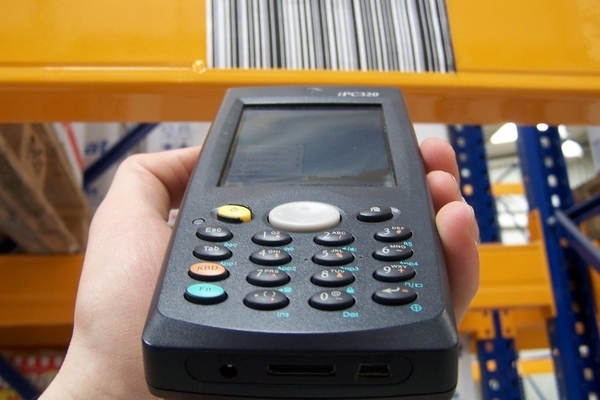
Automatic identification (AutoID) of objects (people, animals, items) involves acquiring data for computer systems using barcodes, RFID (Radio Frequency Identification) technology, and biometric methods. Of particular interest recently is RFID technology, developed in the middle of the last century, which for many years did not find commercial application due to high costs and a lack of standards for devices and systems.
Currently, it is widely used wherever there is a need for automatic identification. In the previously popular barcode system, the label with the encoded identification number must be visible to the reading device, whereas in RFID identification using radio waves, the label can be hidden, dirty, and read remotely, while ensuring high reliability of operation.
The article characterizes RFID technology and presents examples of its numerous applications, which significantly facilitate and accelerate the execution of business processes related to the identification of objects and people. Some implementations raise controversy and concerns (for example, about the loss of citizens’ privacy and the security of confidential data), which is why the paper also points out the threats associated with the use of this technology.
Radio identification system RFID
The possibilities for applying RFID technology are almost unlimited and depend on the ingenuity and financial resources of those interested. An RFID identification system consists of devices placed on the identified objects and readers, which, thanks to appropriate software, enable the performance of specific operations on data – reading, verification, writing, or deletion. Radio waves of various frequencies are used for data transmission. The basic elements in RFID systems are transponders, i.e., electronic circuits containing a microchip with memory and an antenna (generally a small multi-turn coil). An example of the label’s appearance is shown in Figure 1. (…)
The article contains 21774 characters.
Source: Logistyka Magazine