








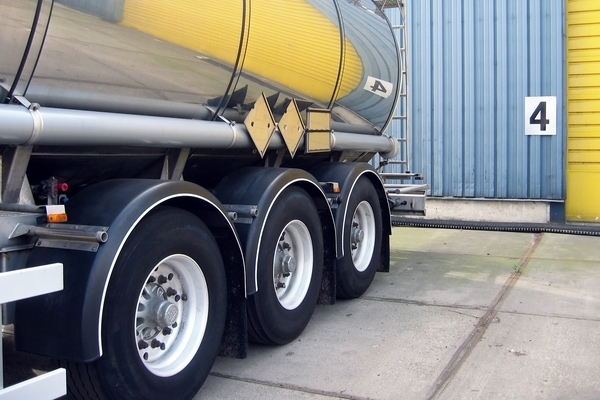
The primary means of transport are tankers (approximately 79%), packaged goods (approximately 20%), and bulk (approximately 1%). Annually, approximately 110 billion tonne-kilometers of hazardous materials are transported across the EU territory. These include, among others: fuels, gases, and waste. Approximately 58% of them are transported by road, 25% by rail, and 17% by inland waterways.
Hazardous materials and articles are divided into three groups:
- not permitted for transport – materials that pose a specific, unavoidable risk and for this reason are not permitted for transport,
- permitted for transport in accordance with ADR,
- exempt from ADR – excluded from ADR regulations due to the low risk the transported cargo poses to people and the natural environment.
Explosive materials and articles (Class 1) are particularly dangerous to transport. Depending on the degree of risk, they are divided into 6 subclasses.
The safety of the entire transport process for hazardous materials is influenced by many factors, which include:
- packaging of hazardous materials
- marking of transport vehicles
- driver training
- transport document
- construction requirements for vehicles transporting hazardous materials
- marking of packages
- equipment of vehicles performing handling operations
- emergency procedures
- knowledge of emergency procedures (…)
The article contains 12,892 characters.
Source: Logistyka Magazine
Risk assessment related to road transport of hazardous materials – PDF file for download