








Motor fuels are essential for the proper functioning of transport vehicles. They belong to a group of specific goods that pose a number of risks both in logistics processes and during use in engines (for example, fire and explosion hazards, environmental hazards).
Therefore, they require specific equipment and procedures for their storage, transport, and distribution along the path: fuel producer – engine (vehicle) user. At the same time, they are required to have specific properties described by a set of normative parameters. These should be constant and should not change during logistics processes, meaning the end user should receive fuel with properties consistent with quality requirements, as specified in standards or specifications, among others.
Due to the specific properties of fuels and their specific distribution chain, they are exposed to the deterioration of their functional parameters. Fuel with inadequate quality parameters, powering an internal combustion engine, causes many adverse effects, including, among others, deterioration of the functional characteristics of engines and the vehicles they power, increased vehicle operating costs, reduced reliability and durability of the engine, and an increase in the amount of harmful exhaust components emitted into the environment.
Therefore, many different technical, organizational, and legal measures are planned so that the quality of fuels in the logistics system does not deteriorate. One such measure is the quality control system for liquid fuels in the logistics chain from the fuel supply source to the fuel user.
Fuel supply system in Poland
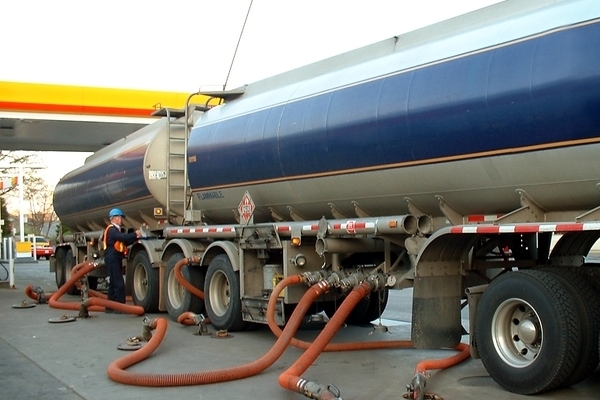
Before fuel reaches the user (vehicle tank or other equipment) from the producer, it must travel a long way in the supply system. The main elements of this system are: the supply source, storage bases, and fuel stations, as well as the fuel transport subsystem between individual elements (Figure 1). The source of fuel acquisition is production in domestic refineries (PKN Orlen and Grupa Lotos), and about 25% comes from abroad (Belarus, Slovakia, Lithuania). Fuel imports are carried out by tankers and rail transport (rail tankers). Fuels are delivered from the sources of acquisition to fuel bases (wholesale level) by pipelines, rail, or trucks (Figure 1). The largest number of liquid fuel bases is held by Operator Logistyczny Paliw Płynnych Sp. z o.o., PKN Orlen, Grupa Lotos, TanQuid, and Porta Petrol. Fuel bases are equipped with appropriate terminals for receiving and dispensing fuels and a tank farm intended for their storage. The existing pipeline network in Poland connects the refinery in Płock with several liquid fuel bases (including those in Koluszki, Boronów, Mościska, Emilianów, Rejowiec, Nowa Wieś Wielka, Ostrów Wielkopolski). Furthermore, fuels are delivered to fuel bases (wholesalers) by rail transport – PKP Group, ORLEN KolTrans Sp. z o.o., Lotos Kolej, and private carriers, for example, CTL Logistic. The retail level of the liquid fuel logistics system consists of public and company fuel stations (about 8,000). Fuel stations are supplied from fuel bases by road tankers, and sometimes by rail tankers.
Principles of maintaining and controlling the quality of liquid fuels in the supply system
Before fuel reaches the user from the supply source, it is subject to multiple storage, transport, and pumping operations, during which it is exposed to physical and chemical stimuli that cause a change (deterioration) in its quality (Figure 2).
Quality deterioration is caused by:
-
natural fuel aging processes, the intensity of which depends on the fuel properties as well as the time and conditions of storage,
-
the ingress of external contaminants into the fuel through leaking or contaminated storage and distribution equipment,
-
the penetration into a batch of fresh fuel of residues of contaminated fuel or other fuels that were previously pumped, stored, or transported without applying appropriate technological procedures,
-
the lack of periodic cleaning or dewatering of storage tanks (for example, at fuel stations),
-
contamination of the fuel or distribution installations by microorganisms,
-
intentional or accidental addition of another grade or type of fuel to the fuel, for example, heavy heating oil to light diesel oil,
-
evaporation of light fuel fractions during pumping, distribution, or refueling processes when these processes are not conducted under hermetic conditions.
The article comes from the magazine “Logistyka” 3/2012.