










The paper was presented at the Polish Logistics Congress Logistics 2008 – “New challenges – new solutions”, Poznań, May 7-9, 2008.
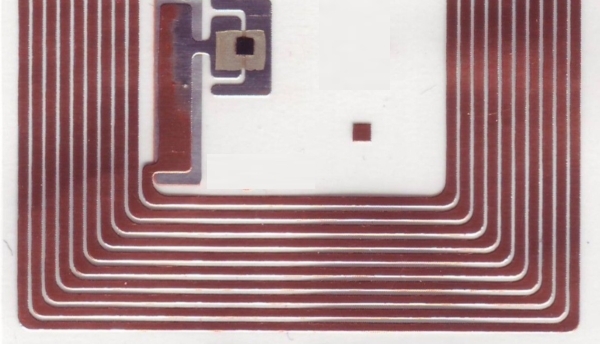
Technology often referred to as EPC/RFID uses radio frequency identification to recognize objects marked with an EPC (Electronic Product Code) in conjunction with automated internet-based logistics data exchange.
The product code is stored in a microchip, which can be located on the outer or inner part of the packaging. The information stored in this code is a sequence of digits that uniquely identify a given object (product, collective packaging, or pallet). Thanks to the use of a standard coding scheme utilizing global GS1 system identifiers, it is possible to obtain globally unique identifiers. The advantages of GS1 system markings and their binary encoding allow for unlimited coding of any form of packaging anywhere in the world. The standard coding scheme for specific information in an EPC tag is one of several elements of the EPCglobal network, which allows for the automatic identification of any logistics and unit loads in the supply chain in any enterprise, in any industry, anywhere in the world.
To commercialize the results of research on EPC/RFID technology, a new organization called EPCglobal Inc. was established with its headquarters in the USA. Its main task is to popularize the results of research work and provide substantive support for the implementation of the new technology in enterprises worldwide. It is an international organization created by GS1 as a neutral, non-profit entity for standardization and promotion. The organizational structure of EPCglobal Inc. consists of over 2,500 people involved in the development and dissemination of EPCglobal standards. Representatives of over 100 large international enterprises, who are also participants in EPCglobal, take part in the work of Action Groups and Working Groups. Currently, there are over 1,300 registered EPCglobal participants worldwide, 6 of which are in Poland. Membership in EPCglobal provides unique opportunities to exchange experiences with other organization participants implementing the new technology in their companies and to influence the development of EPCglobal standards. One of them is the company Jantar, which was one of the first companies in Poland to implement a modern solution using EPC tags to track the production cycle and all related warehouse operations at one of the leading manufacturers in the furniture industry.
Electronic warehouse management based on the EPC code
Technical description of the project
The solution uses devices from renowned manufacturers Motorola and Zebra. Stationary RFID gates operating on Motorola XR-480 readers in a 4-8 antenna system were installed in key locations of warehouses and loading ramps. The solution is complemented by Motorola MC9090-G RFID handheld terminals and Zebra Z6MPlus printers. All devices connect via a WiFi radio infrastructure implemented on Motorola equipment. Data is stored in the tags in the EPCglobal standard. The heart of the entire system is a server operating on WEB Services technology, which handles queries from all clients and connects to the Oracle database logic. By performing appropriate operations, the server also manages the operation of Zebra printers. The gates are handled by separate software that communicates with the server immediately after reading a tag. By invoking appropriate database mechanisms, it performs warehouse operations such as: receipt, issue, internal consumption, inter-warehouse operations, inventory, and complaints. The gate software operates in automatic mode, which means that all decisions are made from the level of the client’s host system (ERP).
Handheld terminals perform the remaining warehouse operations:
-
programming and reprogramming tags based on data from the system,
-
clearing, deleting (kill) tags, changing tag statuses in the system,
-
approving receipts with the addition of storage locations in the warehouse,
-
approving quality control,
-
remote label printing on ZEBRA printers,
-
approving and executing warehouse receipts of finished goods with registration of operator work cards,
-
inventory,
-
various information queries about a product based on the tag.
The system directly manages devices operating in RFID Gen2 technology and performs all necessary production and warehouse operations on an ongoing basis. It is integrated with ERP-class software.